

L a n d s c a p e s o l u t i o n s
Retaining Walls
A retaining wall does two things: it holds your slope in place and defines your landscape. In Western North Carolina, where steep terrain and heavy rainfall put constant pressure on hillsides and yards, a well-built retaining wall is one of the most practical investments you can make in your property.
What is a retaining wall?
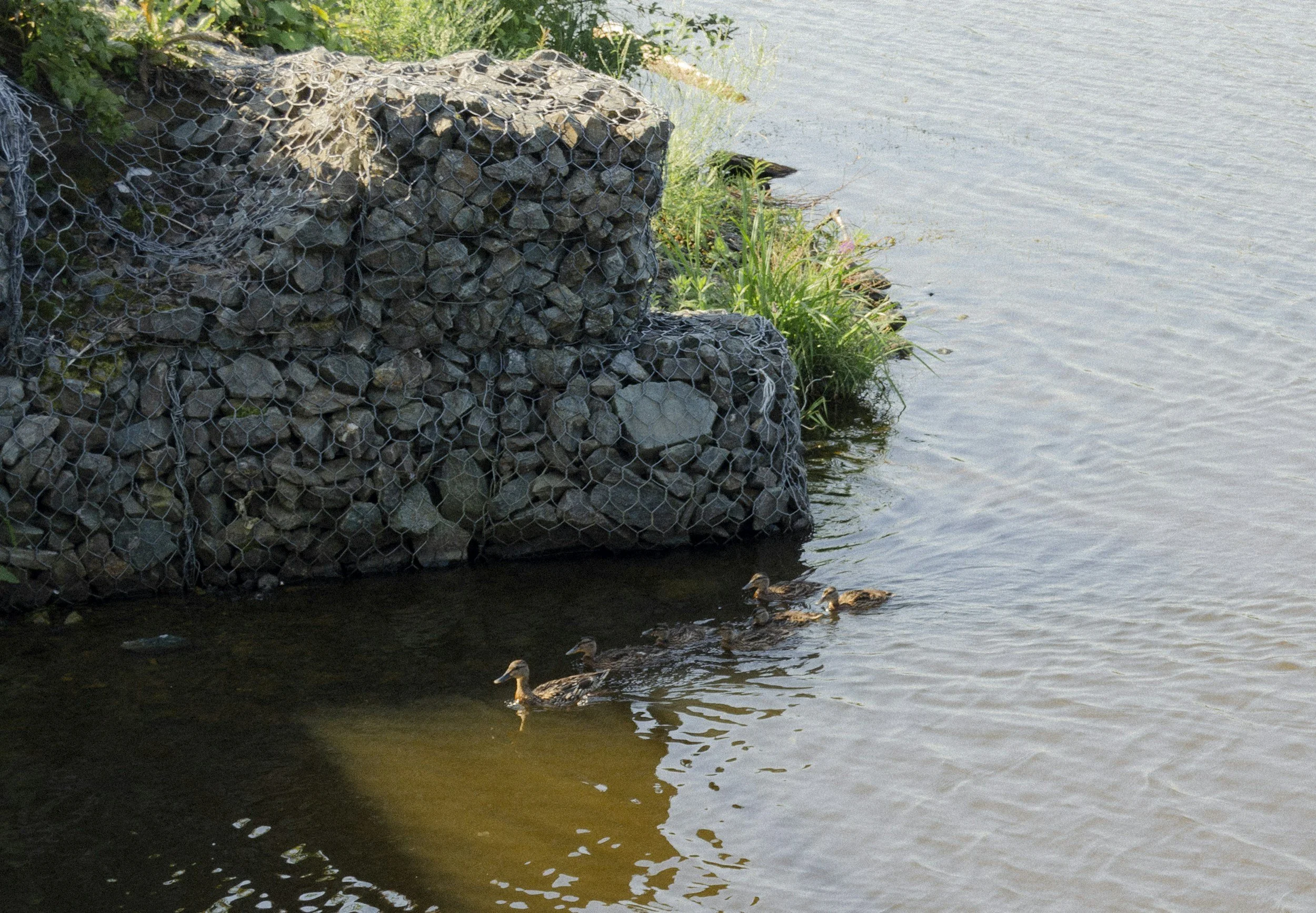
A retaining wall is a structure that holds back soil on a slope, creating usable flat space and preventing erosion. In WNC's mountainous terrain they're one of the most common solutions for properties with steep grades, unstable slopes, or yards that are losing ground to erosion year after year.
The two most common types we build are timber walls and block walls — each with different strengths, aesthetics, and ideal applications.
Timber walls
Natural looking and cost effective for moderate heights. Well suited to residential yards and garden terracing. Properly built timber walls last 20+ years in WNC's climate.
Block walls
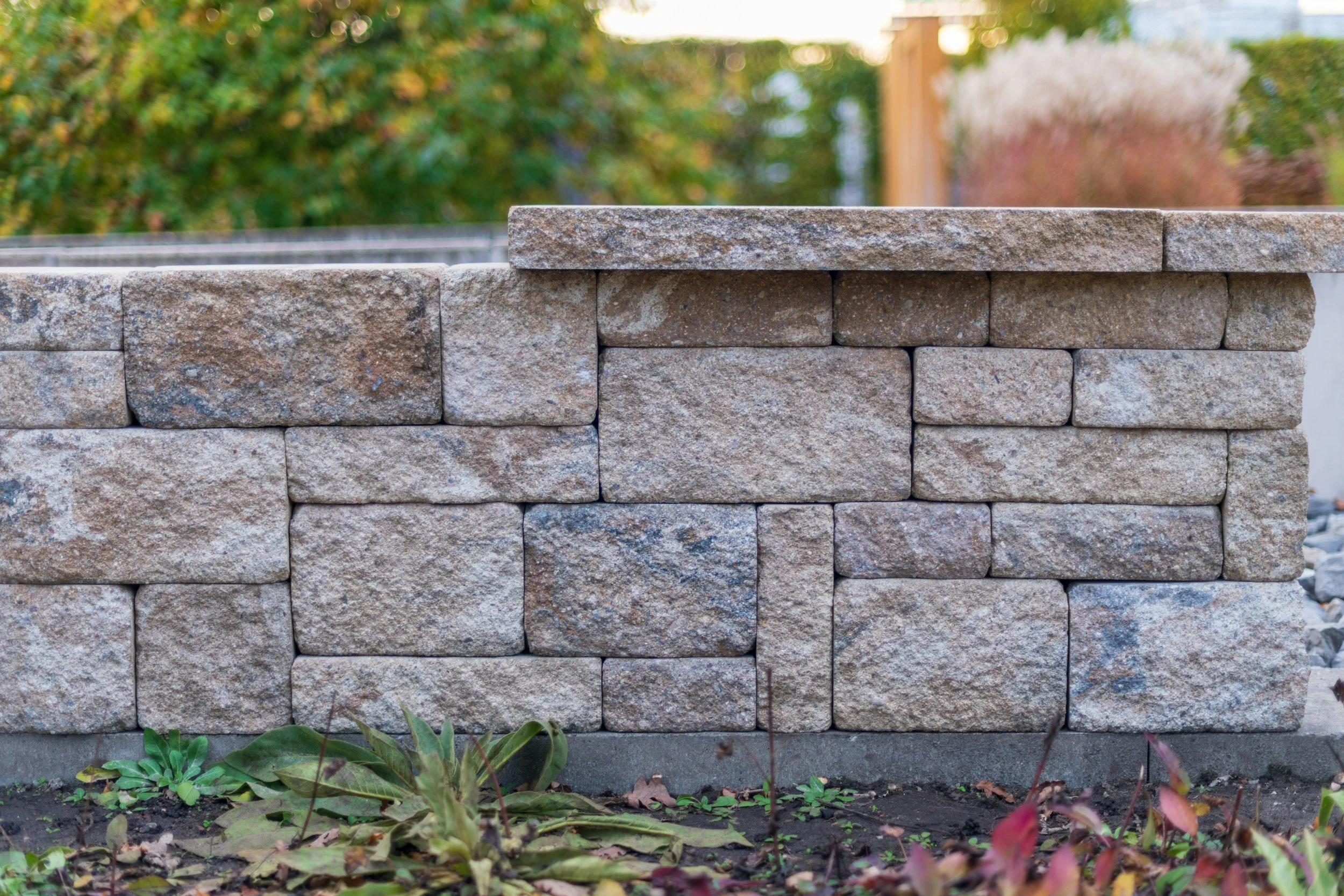
Stronger and more durable for taller walls and heavier loads. Ideal for driveways, commercial properties, and anywhere you need long term structural performance.
Drainage integration
Every wall we build includes proper drainage behind it. Without it even a well built wall will fail. This is the detail most contractors skip — we don't.
Do you need a retaining wall?
Retaining walls are the right solution when:
You have a slope that is actively eroding or losing soil after heavy rain
You want to create usable flat space on a steep or terraced property
Your driveway, foundation, or structure is being undermined by soil movement
You have an existing wall that is leaning, cracking, or failing and needs to be replaced
You want to improve the appearance and usability of your yard without major regrading
Sometimes grading alone is enough — we'll tell you honestly if a wall isn't necessary for your situation. And if it is necessary, we'll size it and build it right rather than undersizing to save money upfront.
What installation involves
Every retaining wall project starts with understanding the slope, the soil, and what's putting pressure on it. We assess the site, determine the right wall type and height, and design the drainage system behind it before we break ground.
Installation involves excavation, a compacted gravel base, the wall structure itself, and a drainage layer behind the wall to relieve hydrostatic pressure. Most residential walls take two to three days. Larger or tiered wall systems take longer depending on scope.
We handle the full project — grading, wall construction, drainage, and cleanup. You get a finished landscape, not a construction site.
Related Services
Retaining walls are often part of a broader landscape and drainage project:
Ready to stop fighting your runoff?
We'll assess your site, size the system, and give you a straight price. No upsell, no runaround.