

W a t e r s y s t e m s s o l u t i o n s
Rainwater for Irrigation
Collecting rainwater for irrigation is one of the simplest, most cost-effective ways to reduce your water bills and keep your garden, lawn, or farm productive through dry spells. Here's how these systems work and what installation looks like in WNC.
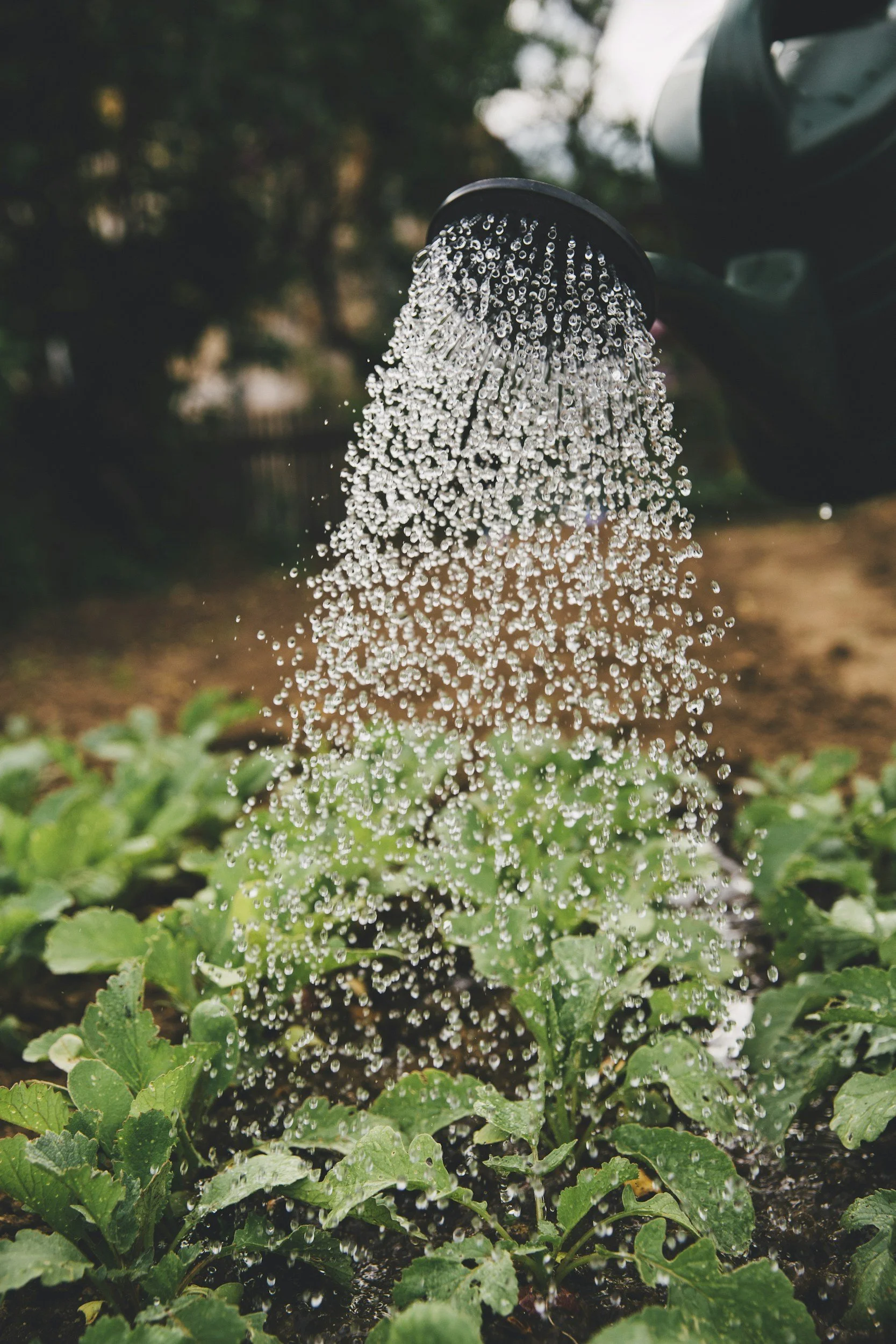
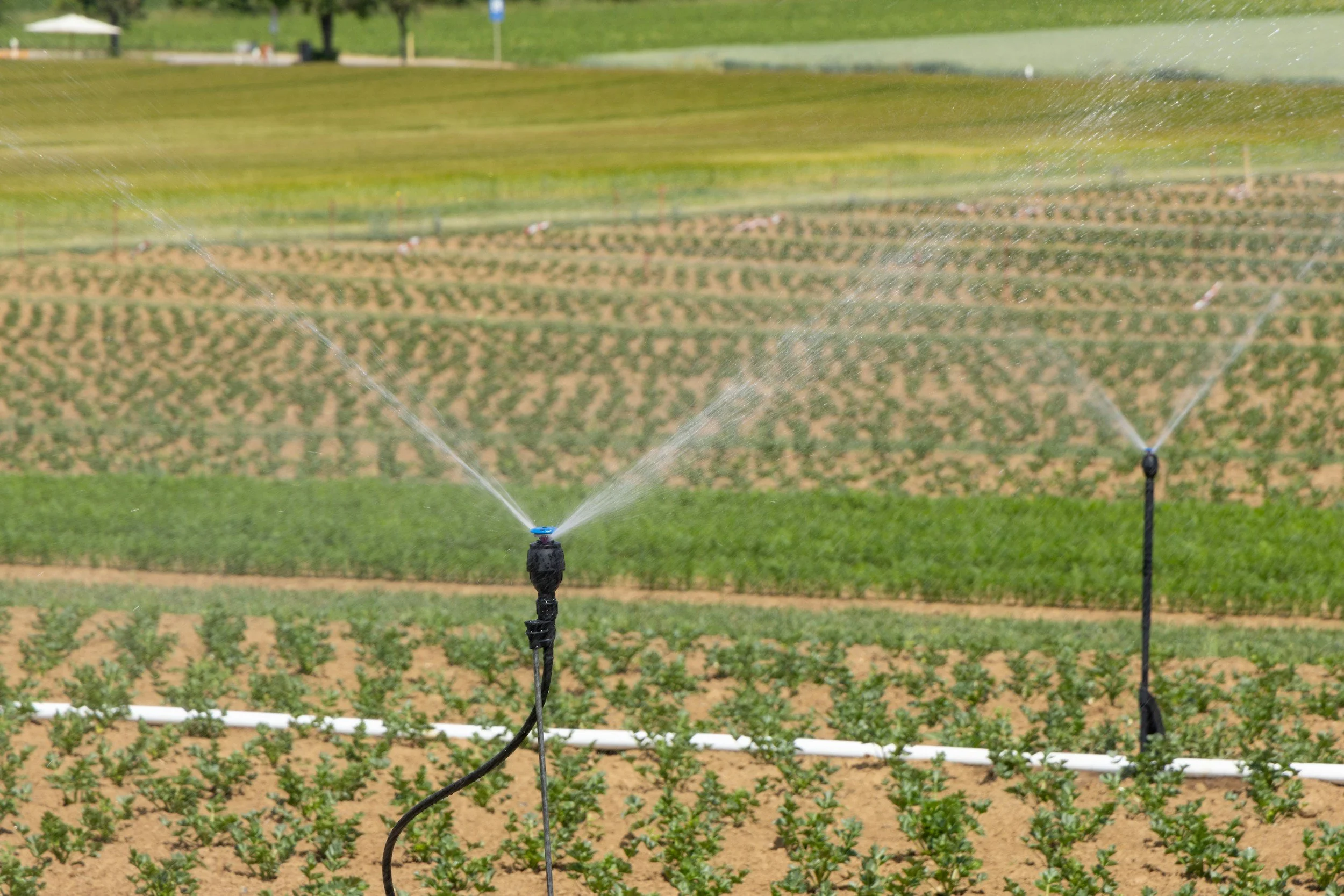
What is a rainwater irrigation system?
A rainwater irrigation system collects rainfall from your roof or other collection surface, stores it in a tank or cistern, and distributes it to your garden, lawn, orchard, or farm through a gravity-fed or pumped distribution system.
Unlike potable systems, irrigation systems don't require the same level of filtration and treatment — which makes them simpler, faster to install, and more affordable. They're a practical first step toward water independence for homeowners, homesteaders, and small farms alike.
How it works
Roof runoff is collected, passed through a basic filter to remove debris, and stored in a tank or cistern. Water is distributed by gravity or a small pump to irrigation zones as needed.
What it handles
Garden beds, lawns, orchards, pastures, and farm irrigation. Anything that doesn't require drinking water quality — which is most outdoor water use.
What you get
Lower water bills, a reliable irrigation supply during dry periods, and a first step toward broader water independence on your property.
Is a rainwater irrigation system right for your property?
These systems work well across a wide range of WNC properties. They make the most sense when:
You have a roof or other collection surface with gutters — even a modest 1,000 sq ft roof collects tens of thousands of gallons annually in WNC's rainfall climate
You have outdoor water needs — garden, lawn, orchard, pasture, or farm irrigation
You want to reduce dependence on municipal water or well draw for outdoor use
You're interested in water independence but not ready for a full potable system yet
These systems are also a natural starting point if you're considering a potable rainwater system down the road — the collection and storage infrastructure is largely the same.
What installation involves
Installation starts with sizing — we calculate your collection area, your storage needs, and your irrigation demand to design a system that actually meets your needs rather than running dry in August.
From there we install guttering or collection infrastructure if needed, route water to your storage tank or cistern, and set up distribution to your irrigation zones. Most residential installations take one to two days. Larger farm or multi-zone systems vary by scope.
Related Services
Rainwater irrigation systems are often a stepping stone to:
Ready to put your rainfall to work?
We'll size the system for your property and give you a straight price. Simple as that.