

S t o r m w a t e r S o l u t i o n s
Bioinfiltration Systems
Bioinfiltration is one of the most effective tools in stormwater management — and one of the least understood. Here's a clear explanation of how these systems work, when they're the right choice, and what installation looks like on a real WNC property.
What is bioinfiltration?
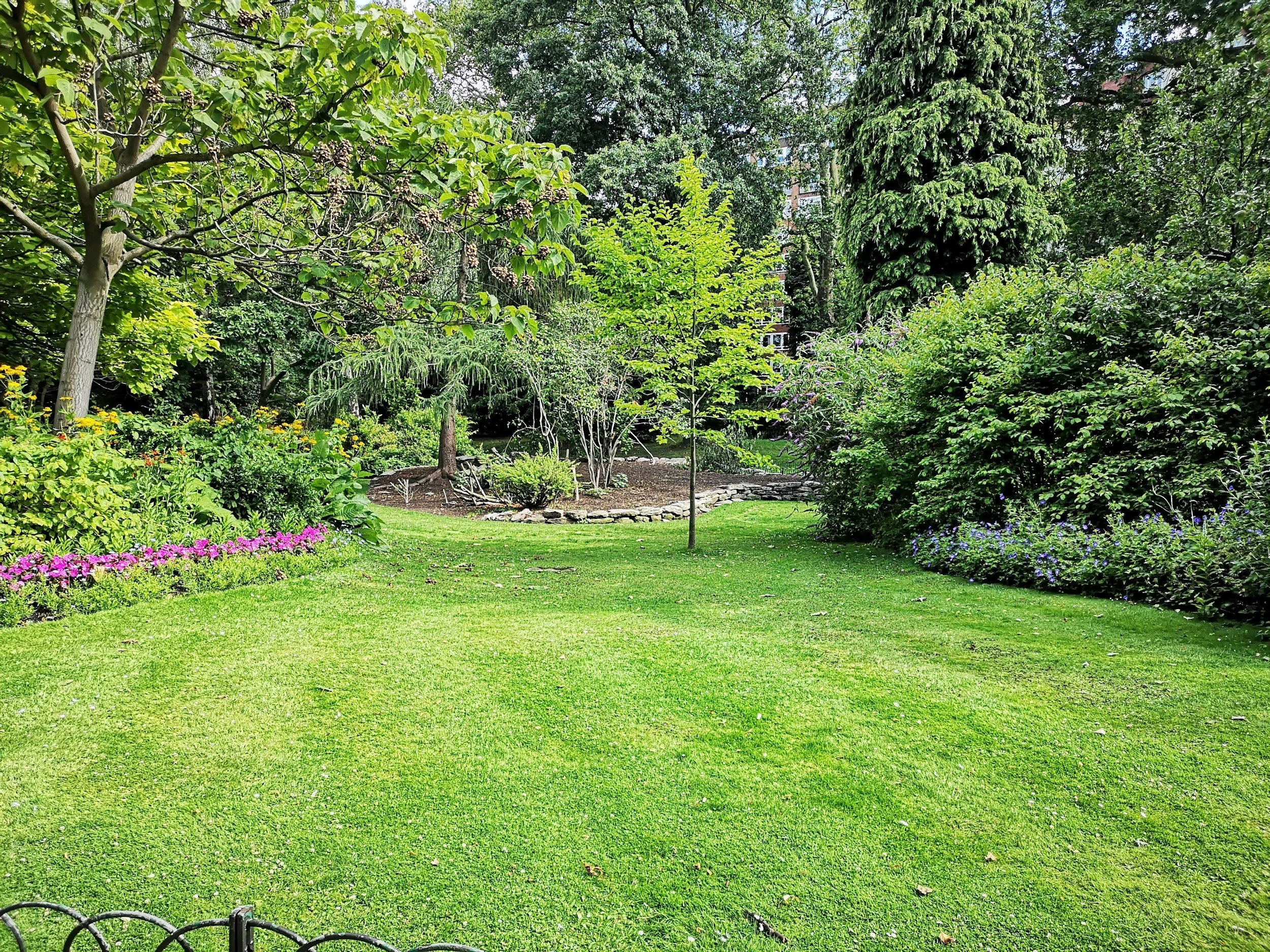
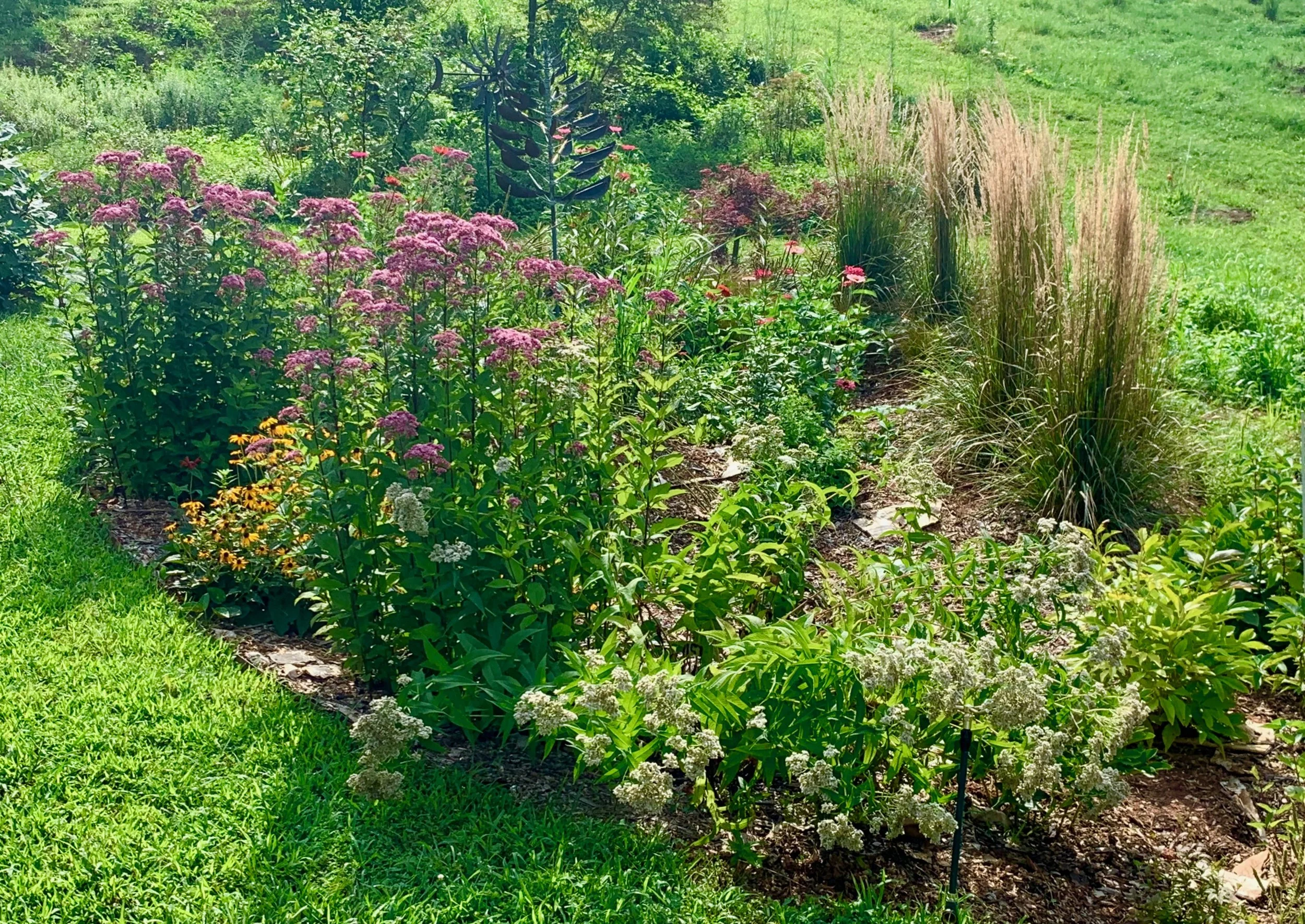
Bioinfiltration is the process of filtering stormwater runoff through engineered soil media and plants before it enters the ground or a drainage system. Unlike a standard drain that moves water away as fast as possible, a bioinfiltration system slows water down, filters out pollutants, and returns clean water to the groundwater table.
The most common types are bioretention cells, bioswales, and filter strips — each suited to different site conditions and runoff volumes. They're used on everything from residential yards to commercial developments to HOA common areas.
Bioretention cells
Engineered depressions filled with a layered soil mix and planted with deep-rooted natives. The workhorse of bioinfiltration — highly effective and adaptable to most sites.
Bioswales
Vegetated channels that slow and filter runoff as it moves across a site. Ideal for linear drainage paths — along driveways, parking lots, or property edges.
Filter strips
Gently sloped, densely planted bands that intercept sheet flow before it reaches a drain or waterway. Low profile and low maintenance.
Is bioinfiltration right for your property?
Bioinfiltration systems work across a wide range of sites, but they perform best when:
You have a measurable runoff problem — parking lot drainage, roof runoff, or slope sheeting that's causing erosion or ponding
Your site has enough space for a planted feature — even a narrow bioswale along a driveway edge counts
You're dealing with water quality as well as volume — bioinfiltration filters pollutants that standard drains don't touch
You need a system that meets county stormwater requirements — bioinfiltration SCMs are widely accepted in Buncombe County approved plans
If your site has extremely poor soils, very steep grades, or very high runoff volumes, bioinfiltration may need to be combined with other drainage systems. We'll assess your site and tell you exactly what will work.
What installation involves
Bioinfiltration installation starts with a site assessment — we look at your soil, your runoff sources, and any county requirements that apply. From there we design the right system type and size for your property, whether that's a small residential bioretention cell or a large commercial bioswale.
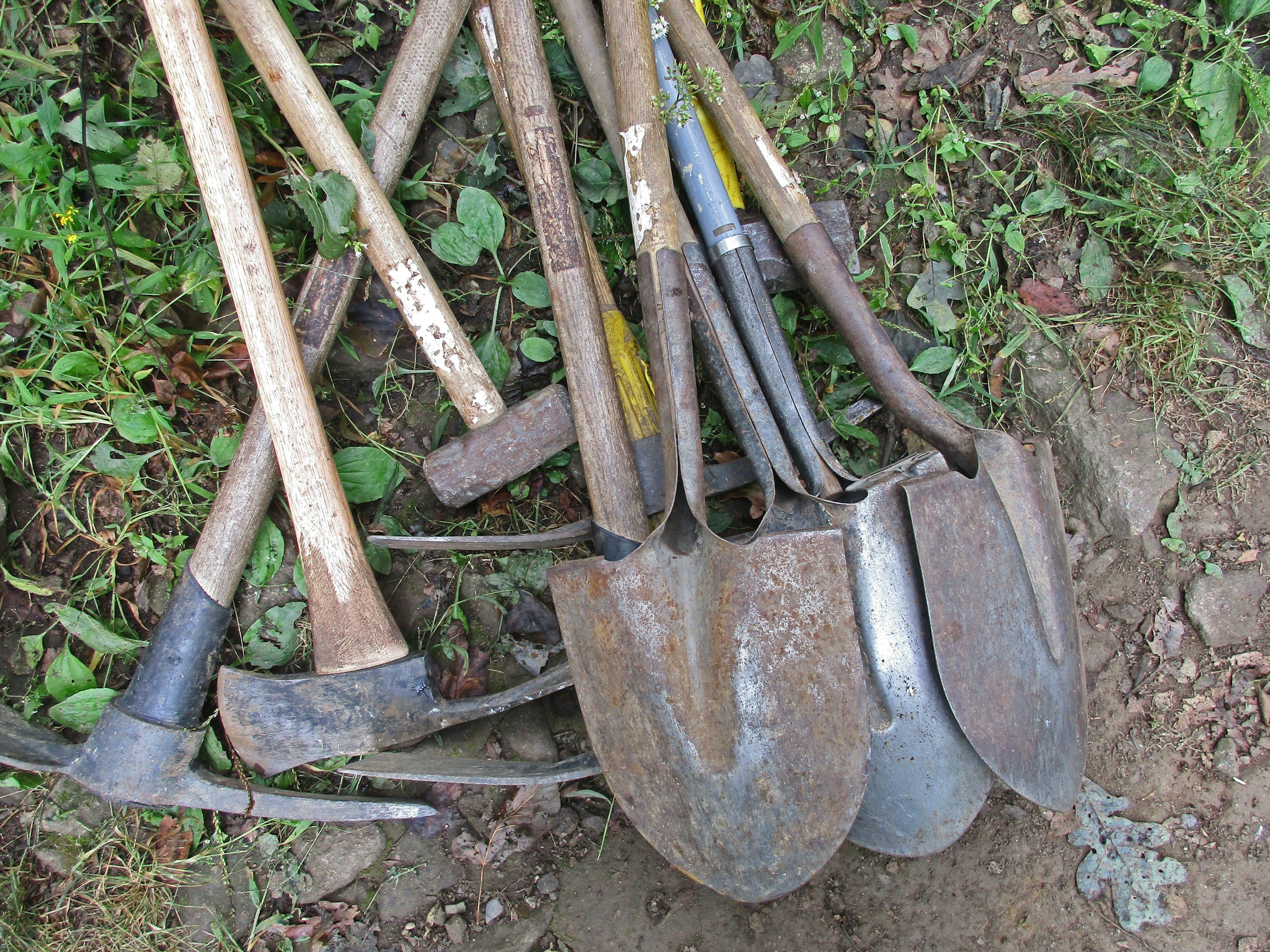
Installation typically involves excavation, a layered engineered soil mix, an underdrain system where needed, and planting with deep-rooted native species suited to WNC's climate. Most residential installations take two to three days. Commercial and HOA projects vary by scope.
We work from engineered drawings where required and deliver installs that are inspection-ready from day one.
Related Services
Bioinfiltration is often part of a larger stormwater strategy:
Ready to put your runoff to work?
We'll assess your site, size the system, and give you a straight price. No upsell, no runaround.